
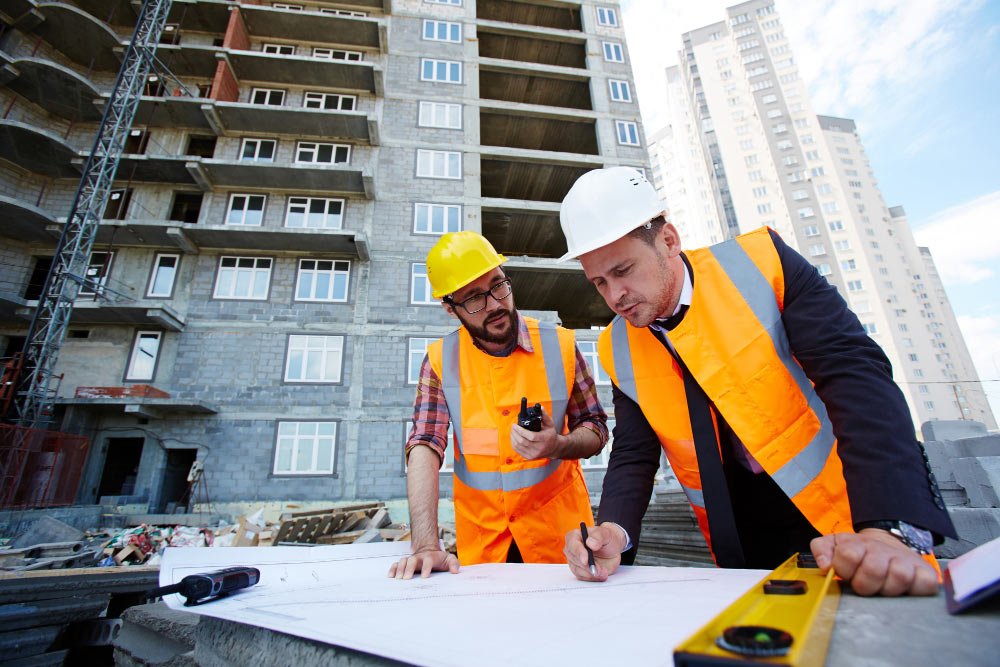
Managing a large-scale construction project is a complex responsibility. Whether it involves a commercial building, a major renovation, a multi-unit property, or extensive structural improvements, successful construction requires more than skilled workers and quality materials.
There are multiple teams, schedules, budgets, suppliers, and responsibilities that must work together. A delay in one area can affect several other parts of the project, making proper coordination essential.
This is where a general contractor plays an important role. General contractors help bring different parts of a construction project together, manage day-to-day activities, and keep the work moving toward completion.
Understanding how they manage large-scale projects can help property owners and managers make better decisions when planning construction work.
What Does a General Contractor Do?
A general contractor is responsible for overseeing and coordinating the construction process. Depending on the agreement, this may include managing subcontractors, arranging materials, coordinating schedules, monitoring quality, and communicating with the property owner.
For large projects, the responsibilities can include:
- Reviewing project requirements and construction plans
- Preparing cost estimates and schedules
- Coordinating subcontractors and suppliers
- Managing construction activities
- Monitoring project progress
- Addressing unexpected site conditions
- Maintaining safety procedures
- Communicating with stakeholders
- Coordinating inspections and final handover
The general contractor acts as a central point of coordination, helping ensure that different teams understand their responsibilities and work toward the same project goals.
1. Planning the Project Before Construction Begins
Large-scale construction starts with careful planning.
Before work begins, the contractor needs to understand the project’s scope, objectives, site conditions, budget, and expected timeline.
This initial planning stage may involve:
- Reviewing architectural and engineering plans
- Assessing the existing property
- Identifying construction requirements
- Understanding material specifications
- Evaluating site access
- Identifying potential challenges
- Establishing project priorities
A detailed plan helps reduce uncertainty and gives everyone involved a clearer understanding of what needs to be accomplished.
2. Developing a Realistic Construction Budget
Budget management is one of the most important responsibilities of a general contractor.
Large projects involve several cost categories, and overlooking even one important expense can affect the overall budget.
A construction budget may include:
- Labor and subcontractor costs
- Building materials
- Equipment and machinery
- Site preparation
- Demolition
- Transportation and deliveries
- Permits and professional services
- Waste removal
- Project management
- Contingency allowances
Contractors also need to monitor expenses as work progresses. If unexpected conditions require additional work, the owner should understand the cost implications before changes are approved.
Clear estimates, documented changes, and regular cost updates help maintain better financial control.
3. Coordinating Subcontractors and Construction Teams
Large-scale projects often require different specialists to complete specific parts of the work.
For example, a commercial construction project may involve roofing professionals, electricians, plumbers, concrete specialists, painters, flooring installers, and other subcontractors.
The general contractor coordinates these teams and determines when each group needs to be on-site.
This requires careful scheduling because some activities cannot begin until earlier work has been completed.
Effective coordination helps:
- Prevent scheduling conflicts
- Reduce unnecessary downtime
- Organize material deliveries
- Avoid overlapping work
- Maintain a consistent construction sequence
- Keep different teams informed
Without proper coordination, even experienced subcontractors can struggle to complete their work efficiently.
4. Creating and Managing the Construction Schedule
A large project needs a structured timeline.
The construction schedule identifies the major activities, their expected duration, and the order in which they should be completed.
A typical schedule may include:
- Planning and preparation
- Site setup
- Demolition or excavation
- Foundation and structural work
- Roofing and exterior construction
- Mechanical, electrical, and plumbing work
- Interior improvements
- Finishing and installation
- Inspections
- Final cleanup and handover
The contractor monitors progress against this schedule and identifies activities that may cause delays.
Weather conditions, material availability, unexpected repairs, and changes to the project scope can all affect construction timelines.
Regular schedule reviews help the team respond to these challenges before they create larger problems.
5. Managing Materials, Equipment, and Suppliers
Material management is another important part of large-scale construction.
A project may require substantial quantities of building materials, specialized products, tools, and equipment. These items need to be available at the right time and in the right quantities.
The contractor may coordinate:
- Material ordering
- Supplier communication
- Delivery schedules
- On-site storage
- Equipment availability
- Material inspections
- Inventory requirements
Poor material planning can lead to delays, additional costs, and interruptions to construction activities.
Good coordination helps keep the project supplied without creating unnecessary storage or delivery problems.
6. Maintaining Quality Control
Quality should be monitored throughout the construction process, not just at the end.
General contractors review completed work to make sure it follows the agreed scope, applicable specifications, and relevant project requirements.
Quality control may involve checking:
- Materials and workmanship
- Installation methods
- Structural components
- Roofing systems
- Exterior finishes
- Interior improvements
- Completed repairs
- Construction details
Identifying problems early makes it easier to correct them before other work depends on the affected area.
Consistent quality checks also help maintain a clear record of construction progress.
7. Prioritizing Safety on the Construction Site
Large construction sites can involve heavy equipment, elevated work areas, electrical systems, material handling, and several teams working simultaneously.
For this reason, safety planning is essential.
Contractors must coordinate appropriate site safety procedures and ensure that workers understand the requirements relevant to their activities.
Safety management may include:
- Site access controls
- Personal protective equipment
- Equipment inspections
- Hazard identification
- Safe material handling
- Work-area organization
- Emergency procedures
- Applicable safety requirements
A well-managed construction site supports safer working conditions and helps reduce avoidable interruptions.
8. Managing Changes and Unexpected Challenges
Not every construction project goes exactly according to the original plan.
During large-scale work, contractors may discover hidden damage, deteriorated materials, drainage issues, or other conditions that were not visible during the initial assessment.
Owners may also request changes after construction has started.
When this happens, the contractor needs to evaluate the situation and explain how the proposed change may affect:
- Project costs
- Completion dates
- Materials
- Labor requirements
- Construction activities
- Other scheduled work
Changes should be documented and approved through an agreed process. This helps avoid confusion and gives everyone a clear record of what has been modified.
9. Keeping Property Owners and Managers Informed
Communication becomes increasingly important as project size and complexity increase.
Property owners and managers need regular updates so they can understand what is happening and make decisions when necessary.
Useful project updates may include:
- Work completed
- Current construction activities
- Upcoming milestones
- Budget status
- Schedule changes
- Material or supply issues
- Unexpected site conditions
- Decisions requiring approval
For occupied commercial and residential properties, communication is also important because construction can affect tenants, employees, customers, and visitors.
A contractor who communicates clearly can help make the entire process easier to manage.
10. Minimizing Disruption to Property Operations
Large-scale construction does not always take place in an empty building.
Commercial properties, apartment buildings, and managed facilities may continue operating while improvements are underway.
In these situations, the contractor must coordinate work with the property’s operational requirements.
This may involve:
- Dividing work into phases
- Scheduling noisy activities carefully
- Maintaining safe access routes
- Coordinating temporary closures
- Protecting occupied areas
- Managing dust and construction waste
- Informing property managers about upcoming activities
Careful planning can help reduce disruption while allowing construction to progress.
11. Conducting Final Inspections and Project Handover
The final stage involves reviewing the completed work and preparing the property for handover.
The contractor and relevant project representatives may conduct a walkthrough to identify unfinished items or work that needs correction.
The final review can include:
- Checking completed construction
- Reviewing finishes and installations
- Confirming agreed repairs
- Addressing outstanding items
- Completing cleanup
- Organizing project documentation
- Providing relevant warranties and handover information
A proper handover helps the owner understand what has been completed and what documentation should be retained for future reference.
Why Project Management Matters in Large-Scale Construction
Large construction projects involve many interconnected activities. A problem with scheduling, materials, communication, or subcontractor coordination can affect the entire project.
Effective project management helps bring these activities together.
It supports better planning, clearer responsibilities, more organized communication, and consistent monitoring of cost, quality, and progress.
For property owners and management companies, this can make a significant difference when handling commercial renovations, roofing projects, building improvements, and other major construction work.
Choosing the Right Construction Partner
Selecting the right contractor is about more than comparing estimates.
Property owners should consider the contractor’s relevant experience, communication approach, project coordination capabilities, quality standards, and ability to understand the property’s specific requirements.
California Pacific Construction works with property management companies and property owners on renovation and remodeling, roofing, and project management services.
Whether a property needs improvements, roofing work, or a larger coordinated construction project, having a construction partner who understands planning, communication, and quality workmanship can help keep the process organized.
Final Thoughts
Managing a large-scale construction project requires careful coordination from the initial planning stage through final handover.
General contractors bring together different teams, manage schedules and materials, monitor quality, address unexpected challenges, and keep property owners informed throughout the process.
For a successful outcome, the most important factors are realistic planning, effective communication, responsible budget management, proper safety practices, and consistent project oversight.
When these elements work together, large construction projects become easier to coordinate and better positioned for a successful completion.