by Eric | Oct 25, 2026 | Uncategorized
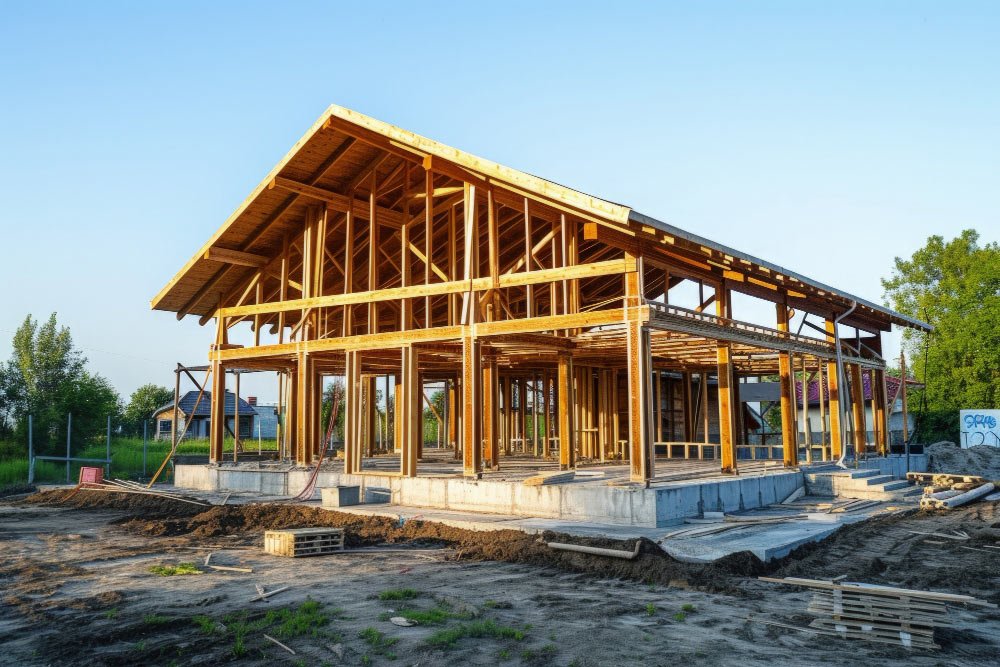
Adding more living space to your property does not always mean building a completely new home. An Accessory Dwelling Unit (ADU) offers another option for homeowners who want to make better use of their available space.
Whether you are planning a small backyard home, a separate unit for family members, or a rental space, ADU construction can be a practical way to expand the functionality of your property.
ADUs have become an important part of California’s housing landscape. However, building one involves more than choosing a design and starting construction. Property owners need to understand local regulations, site conditions, budgeting, design options, permits, and the construction process.
This guide explains the key things to consider before starting an ADU project.
What Is an ADU?
An Accessory Dwelling Unit, commonly known as an ADU, is a secondary residential unit located on the same property as a primary home.
It provides independent living facilities, which generally include a kitchen, bathroom, sleeping area, and living space.
ADUs can take several forms depending on the property and applicable local regulations.
Common examples include:
- Detached ADU: A separate residential structure built elsewhere on the property, often in the backyard.
- Attached ADU: A unit connected to the primary residence but designed as a separate living space.
- Garage Conversion: An existing garage is converted into a residential unit.
- Interior Conversion: An existing portion of a home, such as a basement or other suitable space, is converted into an independent unit.
- Junior ADU (JADU): A smaller unit created within the existing or proposed space of a single-family home, subject to specific requirements.
Each option has different construction requirements, costs, and design considerations.
Why Are Homeowners Building ADUs?
Homeowners consider ADUs for different reasons. For some, the goal is to accommodate family members. Others want additional rental income or more flexibility as their household needs change.
Some potential benefits include:
Additional Living Space
An ADU can provide a separate living area for adult children, aging parents, guests, or other family members.
It offers more privacy than sharing the main house while keeping everyone on the same property.
Potential Rental Income
Depending on local rules and rental requirements, an ADU may provide an opportunity to generate additional income.
Before planning an ADU for rental purposes, property owners should review applicable local regulations and understand any restrictions.
Better Use of Existing Property
A backyard, unused garage, or suitable portion of an existing home may offer an opportunity to create additional living space without purchasing another property.
Greater Property Flexibility
An ADU can serve different purposes over time. A space initially built for family members may later become a guest unit or rental property, depending on applicable regulations.
1. Understand California ADU Regulations
Before starting construction, it is important to understand the regulations that apply to your property.
California has statewide ADU laws intended to support additional housing, but projects must still comply with applicable building standards and local requirements.
Important considerations may include:
- Property zoning
- Permitted ADU types
- Setback requirements
- Maximum unit size
- Height restrictions
- Building and fire safety standards
- Utility connections
- Parking requirements, where applicable
- Access and site conditions
Requirements can vary depending on the property, ADU type, and local jurisdiction.
For this reason, homeowners should confirm the current requirements with their local planning and building department before committing to a design.
2. Evaluate Your Property
Not every property has the same potential for ADU construction.
The available space, existing structures, access, slope, drainage, and utility connections can all affect the project.
A property assessment may help determine:
- Whether a detached unit is practical
- Whether an existing garage can be converted
- Where the new structure could be located
- Whether the site requires grading
- How utilities can be connected
- Whether drainage improvements are needed
- What construction challenges may arise
Evaluating these factors early can help homeowners select a suitable design and avoid unnecessary changes later.
3. Choose the Right ADU Design
The best ADU design depends on the available space, intended use, budget, and property conditions.
A compact studio may be suitable for a guest or rental unit, while a larger one-bedroom or two-bedroom layout may offer more flexibility for long-term living.
When planning the design, consider:
- Number of bedrooms
- Bathroom layout
- Kitchen size
- Storage space
- Natural lighting
- Ventilation
- Privacy
- Entry access
- Outdoor space
- Energy efficiency
A functional design makes better use of limited space and helps create a comfortable living environment.
4. Plan Your ADU Construction Budget
Budgeting is one of the most important parts of any construction project.
ADU construction costs can vary significantly depending on the unit’s size, design, location, materials, site preparation, and complexity.
The main cost categories may include:
- Architectural and design services
- Engineering
- Permits and approvals
- Site preparation
- Demolition, if required
- Foundation work
- Framing and structural construction
- Roofing
- Plumbing and electrical work
- Insulation and drywall
- Windows and doors
- Flooring and finishes
- Kitchen and bathroom installation
- Landscaping and exterior improvements
Garage conversions and other existing-space conversions may have different cost requirements from detached units because the structure and site conditions are different.
It is also wise to allow for unexpected expenses. Existing properties can sometimes reveal hidden issues once construction begins.
5. Understand the Permit and Approval Process
An ADU generally requires the appropriate permits and approvals before construction can begin.
The specific process depends on the project and local jurisdiction.
Applications may require documents such as:
- Site plans
- Architectural drawings
- Structural plans
- Engineering details
- Utility information
- Energy compliance documentation
- Other documents requested by the local authority
Building departments review plans to determine whether the proposed project meets applicable requirements.
Homeowners should avoid assuming that a design approved for one property will automatically be suitable for another.
Working with qualified design and construction professionals can help make the approval process more organized.
6. Prepare the Site for Construction
Once the design and required approvals are in place, the project can move toward construction preparation.
Site preparation depends on the property’s existing conditions and the type of ADU being built.
It may involve:
- Clearing the construction area
- Removing existing structures
- Grading and excavation
- Preparing utility connections
- Establishing construction access
- Protecting nearby structures
- Organizing material storage
Proper preparation helps create a suitable working area and reduces avoidable interruptions during construction.
7. Understand the Main Construction Stages
ADU construction generally follows several stages, although the exact sequence can vary depending on the design and site conditions.
Foundation and Structural Work
The foundation provides support for the new structure. Once the site is prepared, the contractor completes the required foundation work and begins the structural construction.
Framing and Roofing
Framing establishes the structure’s walls, floors, and roof. Roofing work follows as the building progresses toward becoming weather-resistant.
Plumbing and Electrical Installation
The project may require new plumbing, electrical systems, and utility connections to support the ADU’s independent living facilities.
Insulation and Interior Work
Insulation, drywall, flooring, cabinets, fixtures, and other interior components help turn the structure into a functional living space.
Exterior Finishing
Exterior siding, paint, doors, windows, and other finishes complete the appearance and help protect the building.
Final Inspections
Required inspections help verify that the work complies with applicable building requirements before the unit is approved for occupancy.
8. Consider Energy Efficiency
Energy efficiency should be part of the ADU design from the beginning.
A well-planned unit can incorporate features that support comfortable indoor temperatures and more efficient energy use.
Depending on the design and applicable requirements, homeowners may consider:
- Quality insulation
- Energy-efficient windows
- Proper ventilation
- Efficient lighting
- High-performance heating and cooling systems
- Water-efficient fixtures
- Energy-efficient appliances
These choices can improve everyday comfort and may help reduce long-term utility expenses.
9. Plan Construction Around Your Existing Home
Building an ADU while living in the main house can create some temporary challenges.
Construction workers, equipment, deliveries, noise, and material storage may affect everyday activities.
Before work begins, discuss how the construction team will manage:
- Access to the property
- Parking and deliveries
- Work hours
- Noise and dust
- Safety barriers
- Existing landscaping
- Utility interruptions
- Protection of the main residence
Clear communication and a well-organized construction schedule can help minimize disruption.
10. Choose the Right ADU Contractor
Choosing the right construction partner is an important decision.
An ADU project requires coordination between design professionals, contractors, suppliers, inspectors, and property owners.
When evaluating contractors, consider:
- Relevant residential construction experience
- Understanding of ADU project requirements
- Communication and responsiveness
- Quality of previous work
- Project scheduling
- Material selection
- Budget transparency
- Ability to coordinate different construction activities
- Appropriate licensing and insurance
Ask for a clear scope of work and understand what is included in the estimate.
It is also important to clarify who will handle permits, inspections, subcontractors, and any changes that arise during construction.
Common ADU Construction Mistakes to Avoid
A little preparation can help prevent unnecessary complications.
Some common mistakes include:
1. Starting Without Understanding Local Requirements
Planning a design before checking applicable regulations can lead to costly revisions.
2. Underestimating the Budget
Focusing only on basic construction costs may leave out permits, utilities, site preparation, and finishing work.
3. Ignoring Site Conditions
Drainage, slope, access, and existing structures can significantly affect construction.
4. Choosing Design Over Functionality
An attractive layout is important, but the space should also be practical and comfortable for everyday use.
5. Hiring Without Reviewing the Scope of Work
A detailed agreement helps clarify responsibilities, costs, materials, and project expectations.
6. Overlooking Future Maintenance
Roofing, exterior materials, plumbing, and other components should be selected with long-term maintenance in mind.
How ADU Construction Can Support Property Value
An ADU can make a property more flexible and potentially more attractive to future buyers.
Additional living space, rental possibilities, and accommodation for family members may be valuable features.
However, the financial impact is not guaranteed. It depends on location, property demand, construction quality, project costs, and applicable regulations.
Homeowners should evaluate both the immediate construction investment and the long-term benefits before moving forward.
Work With a Construction Team That Understands Your Project
Building an ADU involves many connected decisions, from evaluating the property and preparing the site to completing structural work, roofing, and interior improvements.
California Pacific Construction works with property owners and management companies on construction-related improvements, including renovation and remodeling, roofing, and project management services.
Having a construction partner who understands the importance of planning, coordination, quality workmanship, and communication can help keep a project organized from start to finish.
Final Thoughts
ADU construction offers homeowners an opportunity to make better use of their property while creating additional living space for family members, guests, or potential tenants.
However, a successful project begins long before construction starts.
Understanding local regulations, evaluating the property, choosing a practical design, preparing a realistic budget, and selecting the right contractor are all essential steps.
With proper planning and professional coordination, an ADU can become a useful addition that supports your property’s functionality and long-term potential.
by Eric | Oct 12, 2026 | Uncategorized
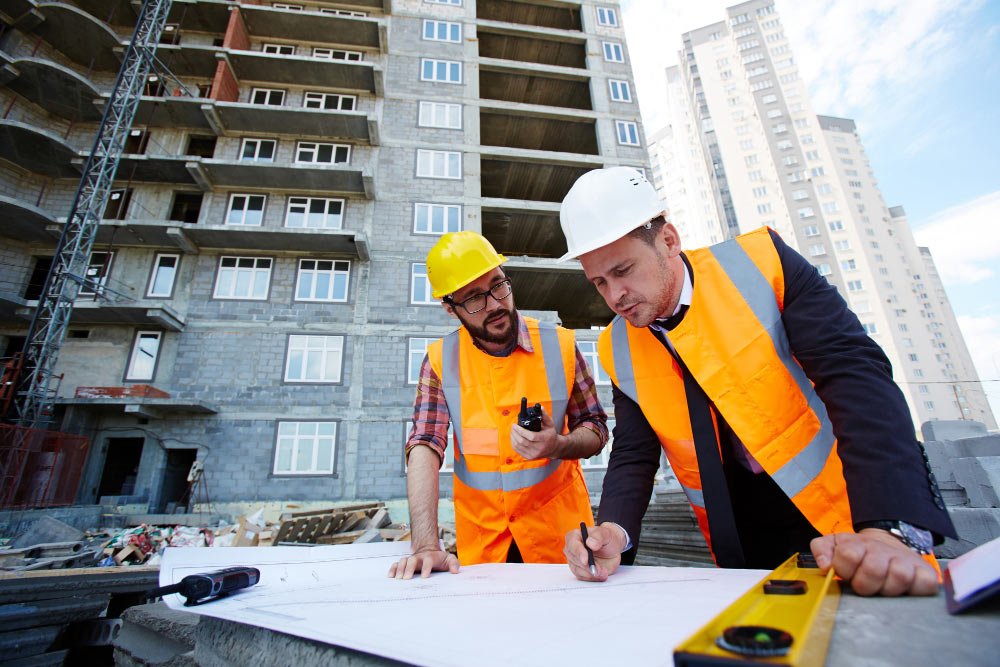
Managing a large-scale construction project is a complex responsibility. Whether it involves a commercial building, a major renovation, a multi-unit property, or extensive structural improvements, successful construction requires more than skilled workers and quality materials.
There are multiple teams, schedules, budgets, suppliers, and responsibilities that must work together. A delay in one area can affect several other parts of the project, making proper coordination essential.
This is where a general contractor plays an important role. General contractors help bring different parts of a construction project together, manage day-to-day activities, and keep the work moving toward completion.
Understanding how they manage large-scale projects can help property owners and managers make better decisions when planning construction work.
What Does a General Contractor Do?
A general contractor is responsible for overseeing and coordinating the construction process. Depending on the agreement, this may include managing subcontractors, arranging materials, coordinating schedules, monitoring quality, and communicating with the property owner.
For large projects, the responsibilities can include:
- Reviewing project requirements and construction plans
- Preparing cost estimates and schedules
- Coordinating subcontractors and suppliers
- Managing construction activities
- Monitoring project progress
- Addressing unexpected site conditions
- Maintaining safety procedures
- Communicating with stakeholders
- Coordinating inspections and final handover
The general contractor acts as a central point of coordination, helping ensure that different teams understand their responsibilities and work toward the same project goals.
1. Planning the Project Before Construction Begins
Large-scale construction starts with careful planning.
Before work begins, the contractor needs to understand the project’s scope, objectives, site conditions, budget, and expected timeline.
This initial planning stage may involve:
- Reviewing architectural and engineering plans
- Assessing the existing property
- Identifying construction requirements
- Understanding material specifications
- Evaluating site access
- Identifying potential challenges
- Establishing project priorities
A detailed plan helps reduce uncertainty and gives everyone involved a clearer understanding of what needs to be accomplished.
2. Developing a Realistic Construction Budget
Budget management is one of the most important responsibilities of a general contractor.
Large projects involve several cost categories, and overlooking even one important expense can affect the overall budget.
A construction budget may include:
- Labor and subcontractor costs
- Building materials
- Equipment and machinery
- Site preparation
- Demolition
- Transportation and deliveries
- Permits and professional services
- Waste removal
- Project management
- Contingency allowances
Contractors also need to monitor expenses as work progresses. If unexpected conditions require additional work, the owner should understand the cost implications before changes are approved.
Clear estimates, documented changes, and regular cost updates help maintain better financial control.
3. Coordinating Subcontractors and Construction Teams
Large-scale projects often require different specialists to complete specific parts of the work.
For example, a commercial construction project may involve roofing professionals, electricians, plumbers, concrete specialists, painters, flooring installers, and other subcontractors.
The general contractor coordinates these teams and determines when each group needs to be on-site.
This requires careful scheduling because some activities cannot begin until earlier work has been completed.
Effective coordination helps:
- Prevent scheduling conflicts
- Reduce unnecessary downtime
- Organize material deliveries
- Avoid overlapping work
- Maintain a consistent construction sequence
- Keep different teams informed
Without proper coordination, even experienced subcontractors can struggle to complete their work efficiently.
4. Creating and Managing the Construction Schedule
A large project needs a structured timeline.
The construction schedule identifies the major activities, their expected duration, and the order in which they should be completed.
A typical schedule may include:
- Planning and preparation
- Site setup
- Demolition or excavation
- Foundation and structural work
- Roofing and exterior construction
- Mechanical, electrical, and plumbing work
- Interior improvements
- Finishing and installation
- Inspections
- Final cleanup and handover
The contractor monitors progress against this schedule and identifies activities that may cause delays.
Weather conditions, material availability, unexpected repairs, and changes to the project scope can all affect construction timelines.
Regular schedule reviews help the team respond to these challenges before they create larger problems.
5. Managing Materials, Equipment, and Suppliers
Material management is another important part of large-scale construction.
A project may require substantial quantities of building materials, specialized products, tools, and equipment. These items need to be available at the right time and in the right quantities.
The contractor may coordinate:
- Material ordering
- Supplier communication
- Delivery schedules
- On-site storage
- Equipment availability
- Material inspections
- Inventory requirements
Poor material planning can lead to delays, additional costs, and interruptions to construction activities.
Good coordination helps keep the project supplied without creating unnecessary storage or delivery problems.
6. Maintaining Quality Control
Quality should be monitored throughout the construction process, not just at the end.
General contractors review completed work to make sure it follows the agreed scope, applicable specifications, and relevant project requirements.
Quality control may involve checking:
- Materials and workmanship
- Installation methods
- Structural components
- Roofing systems
- Exterior finishes
- Interior improvements
- Completed repairs
- Construction details
Identifying problems early makes it easier to correct them before other work depends on the affected area.
Consistent quality checks also help maintain a clear record of construction progress.
7. Prioritizing Safety on the Construction Site
Large construction sites can involve heavy equipment, elevated work areas, electrical systems, material handling, and several teams working simultaneously.
For this reason, safety planning is essential.
Contractors must coordinate appropriate site safety procedures and ensure that workers understand the requirements relevant to their activities.
Safety management may include:
- Site access controls
- Personal protective equipment
- Equipment inspections
- Hazard identification
- Safe material handling
- Work-area organization
- Emergency procedures
- Applicable safety requirements
A well-managed construction site supports safer working conditions and helps reduce avoidable interruptions.
8. Managing Changes and Unexpected Challenges
Not every construction project goes exactly according to the original plan.
During large-scale work, contractors may discover hidden damage, deteriorated materials, drainage issues, or other conditions that were not visible during the initial assessment.
Owners may also request changes after construction has started.
When this happens, the contractor needs to evaluate the situation and explain how the proposed change may affect:
- Project costs
- Completion dates
- Materials
- Labor requirements
- Construction activities
- Other scheduled work
Changes should be documented and approved through an agreed process. This helps avoid confusion and gives everyone a clear record of what has been modified.
9. Keeping Property Owners and Managers Informed
Communication becomes increasingly important as project size and complexity increase.
Property owners and managers need regular updates so they can understand what is happening and make decisions when necessary.
Useful project updates may include:
- Work completed
- Current construction activities
- Upcoming milestones
- Budget status
- Schedule changes
- Material or supply issues
- Unexpected site conditions
- Decisions requiring approval
For occupied commercial and residential properties, communication is also important because construction can affect tenants, employees, customers, and visitors.
A contractor who communicates clearly can help make the entire process easier to manage.
10. Minimizing Disruption to Property Operations
Large-scale construction does not always take place in an empty building.
Commercial properties, apartment buildings, and managed facilities may continue operating while improvements are underway.
In these situations, the contractor must coordinate work with the property’s operational requirements.
This may involve:
- Dividing work into phases
- Scheduling noisy activities carefully
- Maintaining safe access routes
- Coordinating temporary closures
- Protecting occupied areas
- Managing dust and construction waste
- Informing property managers about upcoming activities
Careful planning can help reduce disruption while allowing construction to progress.
11. Conducting Final Inspections and Project Handover
The final stage involves reviewing the completed work and preparing the property for handover.
The contractor and relevant project representatives may conduct a walkthrough to identify unfinished items or work that needs correction.
The final review can include:
- Checking completed construction
- Reviewing finishes and installations
- Confirming agreed repairs
- Addressing outstanding items
- Completing cleanup
- Organizing project documentation
- Providing relevant warranties and handover information
A proper handover helps the owner understand what has been completed and what documentation should be retained for future reference.
Why Project Management Matters in Large-Scale Construction
Large construction projects involve many interconnected activities. A problem with scheduling, materials, communication, or subcontractor coordination can affect the entire project.
Effective project management helps bring these activities together.
It supports better planning, clearer responsibilities, more organized communication, and consistent monitoring of cost, quality, and progress.
For property owners and management companies, this can make a significant difference when handling commercial renovations, roofing projects, building improvements, and other major construction work.
Choosing the Right Construction Partner
Selecting the right contractor is about more than comparing estimates.
Property owners should consider the contractor’s relevant experience, communication approach, project coordination capabilities, quality standards, and ability to understand the property’s specific requirements.
California Pacific Construction works with property management companies and property owners on renovation and remodeling, roofing, and project management services.
Whether a property needs improvements, roofing work, or a larger coordinated construction project, having a construction partner who understands planning, communication, and quality workmanship can help keep the process organized.
Final Thoughts
Managing a large-scale construction project requires careful coordination from the initial planning stage through final handover.
General contractors bring together different teams, manage schedules and materials, monitor quality, address unexpected challenges, and keep property owners informed throughout the process.
For a successful outcome, the most important factors are realistic planning, effective communication, responsible budget management, proper safety practices, and consistent project oversight.
When these elements work together, large construction projects become easier to coordinate and better positioned for a successful completion.

by Eric | Sep 21, 2026 | Uncategorized
A commercial space has to do more than look good. It needs to support your employees, customers, daily operations, and long-term business goals. Over time, however, even a well-designed commercial property can start to feel outdated, inefficient, or no longer suitable for the way the business operates.
That is where commercial remodeling can make a difference.
Whether you are updating an office, renovating a retail property, improving a multi-unit building, or refreshing an older commercial space, a well-planned remodeling project can improve functionality, appearance, and overall property value.
The key is to approach remodeling as a planned investment rather than simply changing the appearance of a building.
What Is Commercial Remodeling?
Commercial remodeling involves improving, updating, or reconfiguring an existing commercial property.
Unlike new construction, remodeling works with an existing structure. Depending on the property’s condition and the project goals, the work may range from relatively simple improvements to extensive renovations.
Common commercial remodeling projects include:
- Office renovations
- Retail space improvements
- Interior remodeling
- Exterior upgrades
- Flooring and finish upgrades
- Roofing improvements
- Lighting upgrades
- Layout changes
- Building repairs
- Tenant improvements
- Accessibility improvements
- Property-wide renovations
The scope depends on the condition of the property, available budget, business requirements, and desired outcome.
Why Remodel a Commercial Property?
Businesses and property owners remodel for many different reasons.
Sometimes the existing space simply looks outdated. In other situations, the layout no longer supports current operations.
A remodeling project may help:
- Improve the appearance of the property
- Create a more functional layout
- Improve the customer experience
- Make better use of available space
- Update worn or damaged areas
- Improve employee working conditions
- Prepare a property for new tenants
- Support changing business needs
- Address maintenance concerns
- Improve the property’s long-term condition
The best remodeling projects focus on both appearance and functionality.
Start With a Clear Remodeling Plan
Before choosing finishes or discussing design ideas, start by defining what the project needs to accomplish.
Ask yourself:
- What problems does the current space have?
- Which areas need the most attention?
- What does the business need from the space?
- Will employees or customers remain on-site during construction?
- What is the available budget?
- Is the project being completed in phases?
- What is the desired completion date?
Having clear answers makes it easier to develop a realistic scope of work.
Without proper planning, remodeling projects can become more expensive and difficult to manage.
Evaluate the Existing Property
A professional assessment should be an important part of the planning process.
The visible appearance of a commercial property does not always tell the full story. Older buildings may have underlying issues that need attention before cosmetic improvements begin.
The assessment may identify:
- Water damage
- Roofing problems
- Deteriorated materials
- Structural concerns
- Drainage issues
- Electrical or plumbing concerns
- Damaged finishes
- Exterior deterioration
- Areas requiring repair
Addressing these issues early can prevent them from interfering with the remodeling process later.
Create a Realistic Commercial Remodeling Budget
Budgeting is one of the most important steps in any commercial remodeling project.
The final cost can depend on the property’s size, project scope, materials, labor, site conditions, design requirements, and complexity.
Your budget may need to account for:
- Design and planning
- Demolition
- Construction labor
- Materials
- Equipment
- Waste removal
- Repairs
- Finishing work
- Project management
- Unexpected conditions
- Contingency funds
A realistic budget should leave some room for unexpected issues.
This does not mean every project will exceed its initial estimate. It simply recognizes that existing buildings can sometimes reveal conditions that were not visible during the initial planning stage.
Decide What Should Be Updated First
Not every part of a commercial property needs to be remodeled at the same time.
Prioritizing the work can help control costs and reduce disruption.
For example, a property owner might prioritize:
- Safety and structural concerns
- Roofing and water-related issues
- Essential repairs
- Functional layout improvements
- High-use areas
- Exterior appearance
- Cosmetic upgrades
This approach can help ensure that important property issues are addressed before money is spent on purely cosmetic improvements.
Think About Your Customers and Employees
A commercial space should reflect how people actually use it.
For a retail business, customer flow may be a major consideration. For an office, employee collaboration, privacy, storage, and workspace organization may matter more.
When planning the remodeling, consider:
- How people enter the building
- Where customers wait
- How employees move through the space
- Where equipment is located
- Storage requirements
- Lighting
- Noise
- Privacy
- Accessibility
- Safety
A beautiful space that is difficult to use may not deliver the results a business needs.
Choose Durable Materials
Commercial spaces generally experience regular use and, in many cases, significantly more traffic than a typical residential property.
For this reason, material selection should consider durability as well as appearance.
Depending on the project, this could include durable flooring, weather-resistant exterior materials, quality roofing products, easy-to-maintain surfaces, and finishes designed for frequent use.
The cheapest material is not always the most economical choice over the long term.
Consider the material’s expected lifespan, maintenance requirements, appearance, and suitability for the property’s use.
Plan Remodeling Around Business Operations
One of the biggest challenges of commercial remodeling is keeping the business operating while construction takes place.
Closing the entire property may not always be practical.
Depending on the project, work may be completed in phases to reduce disruption.
A construction schedule can consider:
- Business hours
- Customer traffic
- Employee access
- Deliveries
- Noise
- Dust
- Temporary closures
- Safety barriers
- Parking
- Access routes
Clear communication between the business, property manager, and contractor is essential.
Consider Roofing and Exterior Improvements
Commercial remodeling does not always mean focusing only on the interior.
The exterior of a building creates an important first impression, while the roof protects the property from weather and water damage.
Depending on the property’s condition, remodeling or improvement plans may include:
- Roof repair
- Roof replacement
- Flat roof installation or repair
- Gutter replacement
- Exterior repairs
- New exterior finishes
- Weather-resistant improvements
Addressing roofing and exterior problems during a larger renovation can help avoid completing interior improvements only to discover that the building still has underlying water or weather-related problems.
Work With a Professional Construction Team
Commercial remodeling involves more than construction work. It requires coordination between property owners, managers, contractors, subcontractors, suppliers, and sometimes tenants.
A professional construction team can help coordinate:
- Project planning
- Site preparation
- Materials
- Scheduling
- Construction
- Roofing
- Remodeling
- Quality control
- Cleanup
- Final walkthrough
California Pacific Construction works with property management companies and property owners on renovation and remodeling, roofing, and project management services.
Having one team coordinate multiple aspects of the project can help simplify communication and keep the work organized.
Keep Communication Clear Throughout the Project
Even a well-planned remodeling project can encounter changes.
Materials may become unavailable, hidden property conditions may be discovered, or certain decisions may need to be adjusted.
Regular communication helps everyone understand:
- What has been completed
- What is currently underway
- What comes next
- Whether the schedule has changed
- Whether additional work is required
- Whether the budget needs to be reviewed
Property owners should know who is responsible for communicating updates and approving changes.
Don’t Forget the Final Details
As construction approaches completion, the project should not simply end when the major work is finished.
A final walkthrough provides an opportunity to identify unfinished or incorrect items.
The final review may include:
- Construction quality
- Paint and finishes
- Flooring
- Fixtures
- Doors and hardware
- Roofing or exterior work
- Cleanup
- Remaining repairs
Taking the time to review the finished project can help ensure that the original scope has been properly addressed.
How Commercial Remodeling Can Support Property Value
A well-planned remodeling project can improve the functionality and appearance of a commercial property while helping it remain competitive and usable over time.
For property owners, improvements can make the building more attractive to potential tenants and better suited to current occupants.
For businesses, a more functional environment can support day-to-day operations and create a better experience for customers and employees.
The exact impact will depend on the property, market, project scope, and quality of the improvements.
Final Thoughts
Commercial remodeling is a significant investment, but careful planning can make the process much more manageable.
Start by identifying the property’s needs, establish a realistic budget, prioritize important repairs, choose durable materials, and develop a construction schedule that considers daily business operations.
Most importantly, work with a construction team that understands the importance of communication, quality, scheduling, and project coordination.
With the right approach, a commercial remodeling project can transform an outdated or inefficient space into a more functional, attractive, and practical environment for years to come.
by Eric | Sep 11, 2026 | Uncategorized
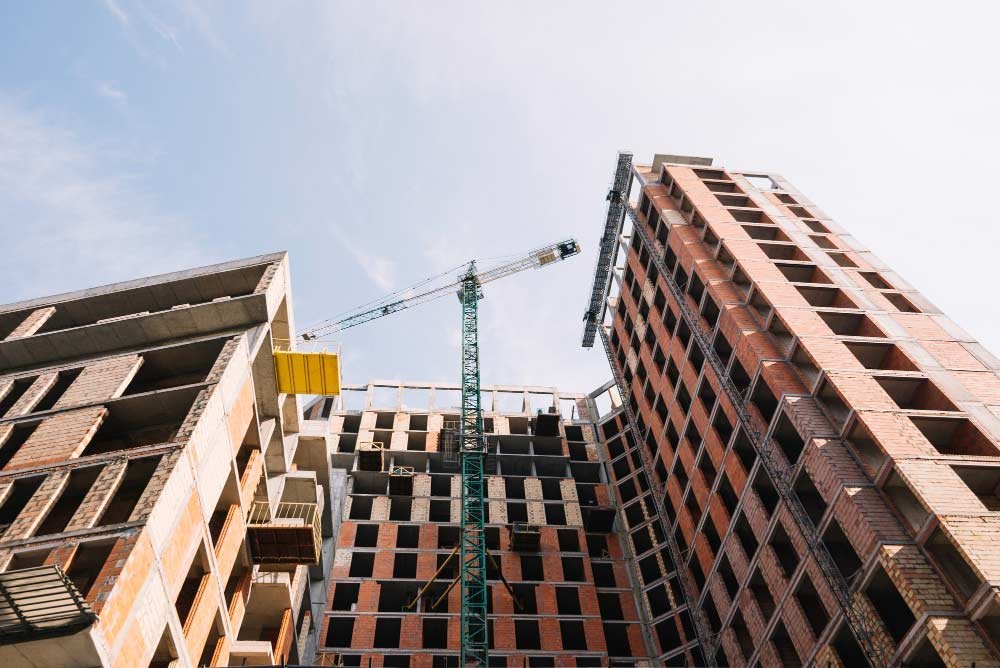
A commercial construction project is a major investment. Whether you are developing a new property, renovating an existing building, or upgrading a commercial space, the process involves much more than simply completing the physical work.
Successful commercial construction requires careful planning, budgeting, coordination, communication, and project management. Property owners and managers also need to consider schedules, materials, contractors, safety requirements, and how the work may affect employees, tenants, customers, or daily business operations.
Understanding what to expect can make the process easier and help you prepare for the different stages of a commercial construction project.
What Is a Commercial Construction Project?
Commercial construction refers to construction, renovation, remodeling, or improvement work performed on properties used for business or commercial purposes.
Projects can include:
- Office buildings
- Retail properties
- Apartment and multi-unit properties
- Commercial facilities
- Restaurants and hospitality spaces
- Property renovations
- Exterior improvements
- Roofing projects
- Building upgrades
- Tenant improvements
Every project is different, but most follow a series of stages from initial planning through final completion.
1. Initial Planning and Project Assessment
The first stage is understanding what needs to be accomplished.
Before construction begins, the property owner, manager, or development team typically needs to define the project’s goals, priorities, and expected results.
This may include determining:
- What areas need to be renovated or constructed
- The purpose of the project
- Required improvements
- Desired materials and finishes
- Estimated budget
- Target completion date
- Potential challenges
- How the project may affect occupants
A detailed assessment at the beginning can help identify potential issues before they become expensive problems during construction.
2. Developing the Project Scope
Once the project’s goals are clear, the next step is developing a detailed scope of work.
The scope explains what work will actually be performed. Depending on the project, it may include demolition, structural work, roofing, remodeling, exterior improvements, installation, finishing, and cleanup.
A clear scope is important because it gives the owner, contractor, and other stakeholders a common understanding of the project.
It can also help reduce confusion about what is included and what may require additional work.
3. Budgeting and Cost Planning
Budgeting is one of the most important parts of commercial construction.
Construction costs can depend on the size of the property, materials, labor, project complexity, site conditions, and the type of improvements required.
A commercial project budget may include:
- Labor
- Materials
- Equipment
- Site preparation
- Demolition
- Permits and professional services
- Waste removal
- Project management
- Finishing work
- Contingency funds
It is important to establish realistic expectations early rather than making decisions based only on the lowest initial estimate.
4. Choosing the Right Contractor
Selecting a contractor is another major decision.
A commercial contractor should be able to understand the project’s requirements and coordinate the different parts of the work effectively.
When evaluating a contractor, property owners and managers may consider:
- Relevant project experience
- Communication
- Quality of previous work
- Project management capabilities
- Scheduling approach
- Materials and construction methods
- Safety practices
- References and documentation
- Ability to coordinate subcontractors
The goal is to find a contractor who understands both the construction requirements and the operational needs of the property.
5. Scheduling and Project Coordination
Commercial construction often involves multiple teams working at different stages.
For example, a project may require coordination between contractors, subcontractors, suppliers, property managers, inspectors, and other professionals.
A project schedule helps organize these activities.
The schedule may include:
- Preparation
- Demolition or site work
- Structural or construction work
- Installation
- Interior or exterior improvements
- Finishing
- Inspection
- Cleanup
- Final walkthrough
Unexpected conditions can sometimes affect the schedule, so regular communication is important throughout the project.
6. Construction Begins
Once planning, approvals, scheduling, and preparation are complete, physical construction can begin.
Depending on the project, this may involve demolition, structural work, roofing, remodeling, installation, exterior improvements, or other construction activities.
During this stage, project management becomes p

by Eric | Aug 28, 2026 | Uncategorized
Managing residential and commercial properties involves much more than collecting rent and responding to tenant requests. Property managers also have to deal with maintenance, repairs, renovations, safety concerns, and unexpected construction issues.
This is where a reliable construction partner can make a major difference. By working with an experienced construction company, property management companies can handle projects more efficiently while protecting the condition and long-term value of the properties they manage.
Managing Repairs More Efficiently
Property managers regularly receive maintenance requests. Some issues are simple, while others require professional construction expertise.
Roof leaks, damaged flooring, deteriorating walls, plumbing-related construction work, and structural problems should be handled by qualified professionals. Having a dependable contractor available allows property managers to respond quickly instead of searching for a new company every time a major repair is needed.
A reliable construction partner can also help identify the underlying cause of a problem rather than simply addressing the visible damage.
Supporting Preventive Maintenance
Waiting until something breaks can lead to expensive repairs. Preventive maintenance allows property owners and managers to identify potential problems before they become major issues.
Construction professionals can inspect areas such as:
- Roofing systems
- Exterior walls
- Gutters and drainage
- Foundations
- Concrete surfaces
- Windows and doors
- Common areas
- Structural components
Regular inspections can help property managers prioritize repairs and plan maintenance according to their available budgets.
Handling Roofing Projects
Roofing is particularly important for property management companies because even a small issue can quickly affect multiple areas of a building.
A damaged roof may lead to water intrusion, interior damage, mold concerns, or disruption for tenants. Professional roofing contractors can assist with inspections, repairs, maintenance, and replacement projects.
California Pacific Construction works with property owners and management companies to provide roofing solutions designed around the needs of residential and commercial properties. From initial inspection and reporting to project completion and cleanup, having one experienced team involved can simplify the process.
Minimizing Tenant Disruption
Construction work can be challenging when tenants are living or working on the property. Noise, restricted access, dust, and temporary closures can affect their daily routines.
Experienced construction companies understand the importance of planning work carefully. Property managers can coordinate schedules with contractors to determine the least disruptive times for construction activities.
Clear communication is especially important when projects involve occupied buildings. Providing tenants with advance notice and realistic timelines can make construction easier for everyone.
Supporting Renovation and Remodeling Projects
Property management companies often need to renovate units between tenants or upgrade common areas to maintain the property’s appeal.
Construction companies can support projects such as:
- Apartment renovations
- Kitchen remodeling
- Bathroom upgrades
- Flooring replacement
- Interior painting
- Exterior improvements
- Common-area renovations
- Property upgrades
Instead of coordinating multiple individual contractors, property managers can benefit from working with a construction company capable of handling several aspects of the project.
Improving Property Value
Regular improvements can help maintain and increase the value of a property. Well-maintained roofs, updated interiors, attractive common areas, and properly maintained exterior features can make properties more appealing to current and prospective tenants.
Construction professionals can also help property managers determine which improvements are likely to provide the greatest long-term benefit.
The goal isn’t always to spend more. It is to invest strategically in improvements that support the property’s condition, functionality, and overall value.
Helping With Larger Construction Projects
Some property management projects go beyond routine maintenance. Property owners may decide to expand a building, renovate multiple units, upgrade commercial spaces, or make significant structural improvements.
These projects require careful coordination between property managers, contractors, suppliers, inspectors, and other professionals.
A construction company can take responsibility for coordinating many of these activities, allowing property managers to focus on their core responsibilities.
Providing Project Management
Large construction projects can quickly become complicated when multiple teams are involved. Without proper coordination, delays and communication problems can increase costs.
Professional project management helps keep the work organized. Depending on the project, this can include:
- Scheduling contractors
- Coordinating materials
- Monitoring progress
- Managing construction phases
- Communicating updates
- Identifying potential problems
- Coordinating inspections
- Managing final cleanup
For property management companies, having a clear point of contact can make construction projects much easier to oversee.
Creating Detailed Project Reports
Documentation is another valuable service construction companies can provide.
Property managers may need detailed information about inspections, repairs, materials, project progress, and completed work. Good documentation makes it easier to maintain property records and communicate updates to owners.
Detailed reporting can also help identify recurring problems across a property portfolio and support better maintenance planning.
Responding to Emergency Repairs
Construction emergencies can happen at any time. A serious roof leak, storm damage, structural issue, or other unexpected problem may require immediate attention.
Having an established relationship with a construction company can help property managers respond faster when urgent work is required.
Instead of beginning a contractor search during an emergency, managers already have a professional partner familiar with their property’s needs.
Improving Communication With Property Owners
Property managers are often responsible for explaining construction needs and expenses to property owners.
A professional construction company can support this process by providing clear estimates, project details, progress updates, and documentation.
This gives property managers the information they need to explain:
- What work is required
- Why it is necessary
- How much it may cost
- How long it may take
- What risks exist if the work is delayed
Clear information helps property managers build trust with property owners and make better decisions.
Supporting Multiple Properties
Property management companies may oversee several residential or commercial properties. Managing construction work across a portfolio can be difficult when every project requires a different contractor.
Developing a relationship with a dependable construction company can create greater consistency across properties. The same team can become familiar with the manager’s expectations, communication process, and quality standards.
This can save time and make future projects easier to organize.
Choosing the Right Construction Partner
Not every contractor is the right fit for property management work. Property managers should look for a company that understands the importance of communication, scheduling, tenant safety, documentation, and long-term property care.
Consider a construction company that offers:
- Residential and commercial experience
- Roofing and remodeling expertise
- Professional project management
- Clear communication
- Detailed estimates
- Reliable scheduling
- Quality workmanship
- Preventive maintenance support
- Emergency repair capabilities
California Pacific Construction works with property management companies and private property owners, providing construction and roofing solutions designed to minimize disruption while maintaining the long-term value of their properties.
Final Thoughts
Construction companies can become valuable partners for property management companies. Their role goes beyond completing repairs. They can help with preventive maintenance, roofing, remodeling, emergency work, renovations, project management, and long-term property improvements.
For property managers, having a reliable construction partner means fewer delays, better communication, and a more organized approach to maintaining the properties they manage.
By choosing an experienced company that understands both construction and the needs of property owners, property management teams can protect their properties, support their tenants, and make smarter long-term maintenance decisions.

by Eric | Aug 10, 2026 | Uncategorized
Choosing the right contractor is one of the most important decisions you will make when planning a home renovation. Whether you are updating a kitchen, remodeling a bathroom, adding new living space, or renovating your entire home, the contractor you choose can have a major impact on the quality, cost, and overall experience.
With so many options available, it can be difficult to know which contractor is the right fit. The good news is that you can make the decision easier by knowing what to look for and what questions to ask.
Start by Defining Your Project
Before contacting contractors, take some time to understand what you want to accomplish. A clear project scope helps contractors provide more accurate estimates and recommendations.
Consider:
- Which areas of the home need remodeling?
- What problems are you trying to solve?
- What features would you like to add?
- Do you have a preferred design or style?
- What is your approximate budget?
- When would you like the project completed?
You do not need to have every detail finalized, but having a general direction will make conversations with contractors much more productive.
Look for Relevant Experience
Not every contractor has experience with every type of remodeling project. Someone who specializes in small repairs may not be the best choice for a major renovation involving structural changes.
Look for a contractor with experience that matches your project. Ask about previous work involving kitchens, bathrooms, additions, exterior improvements, or whole-home renovations.
California Pacific Construction provides residential construction and remodeling services designed around the specific requirements of each property. Relevant experience can help identify potential challenges early and create a more efficient construction process.
Check Licensing and Insurance
Before hiring anyone, verify that the contractor has the appropriate licensing and insurance required for the work.
Insurance is particularly important because construction involves potential risks to workers, homeowners, and property. Ask what type of coverage the company maintains and make sure the information is current.
Working with a properly licensed and insured professional gives homeowners an additional level of confidence.
Review Previous Projects
A contractor’s previous work can tell you a lot about their capabilities and attention to detail.
Ask to see examples of completed projects similar to yours. Look at:
- Overall workmanship
- Finishing quality
- Design execution
- Material installation
- Attention to detail
If possible, look for projects that are similar in size and complexity to your own.
Read Reviews and References
Online reviews can provide useful insight into a contractor’s communication, reliability, and customer service. However, do not rely on ratings alone.
Ask potential contractors whether they can provide references from previous clients. Speaking with past customers can help you understand what it was actually like to work with the company.
Useful questions include:
- Was communication consistent?
- Was the project completed close to the expected timeline?
- Were there unexpected costs?
- How did the contractor handle problems?
- Would you hire the company again?
Get Detailed Estimates
Price is important, but the cheapest estimate is not always the best choice.
Ask each contractor for a detailed proposal explaining what is included in the project. The estimate should ideally address:
- Labor
- Materials
- Permits
- Project management
- Estimated timeline
- Payment schedule
- Potential additional costs
Comparing detailed proposals makes it easier to understand why one contractor’s price may differ from another’s.
Pay Attention to Communication
Good communication is essential during a remodeling project. Even a well-planned renovation can become stressful if the contractor is difficult to reach or does not provide regular updates.
During your initial conversations, consider:
- How quickly do they respond?
- Do they listen to your concerns?
- Are explanations clear?
- Are they willing to answer questions?
- Do they provide realistic expectations?
A contractor who communicates well before the project starts is more likely to maintain a professional relationship during construction.
Ask About the Project Timeline
A remodeling project can disrupt your daily routine, so understanding the expected timeline is important.
Ask the contractor:
- When can construction begin?
- How long is the project expected to take?
- What factors could cause delays?
- How will changes affect the schedule?
- Who will supervise the work?
Keep in mind that construction schedules can change because of material availability, inspections, weather, or unexpected conditions. A reliable contractor should explain these possibilities rather than promise an unrealistic completion date.
Understand the Contract Before Signing
Never begin a major remodeling project based only on a verbal agreement. A written contract should clearly explain the responsibilities of both parties.
Review details such as:
- Project scope
- Total price
- Payment schedule
- Materials
- Estimated completion date
- Change-order procedures
- Warranty information
- Cleanup responsibilities
If something is unclear, ask questions before signing.
Don’t Choose Based on Price Alone
Budget matters, but choosing a contractor solely because they offer the lowest price can create problems later.
An unusually low estimate may leave out important work or use lower-quality materials. In some cases, the initial savings can disappear when additional repairs or changes become necessary.
Instead, consider the overall value you are receiving, including experience, workmanship, communication, materials, and project management.
Look for a Contractor Who Understands Your Goals
The best remodeling relationship is collaborative. Your contractor should understand what you want to accomplish and help you make practical decisions along the way.
A good professional may also point out opportunities to improve functionality, durability, or efficiency that you had not considered.
At California Pacific Construction, the focus is on understanding each client’s needs and developing construction solutions that balance design, functionality, quality, and budget.
Ask Who Will Manage the Project
Before signing a contract, find out who will actually oversee the work once construction begins.
Ask whether you will have a dedicated project manager or primary point of contact. Knowing who to contact when you have a question can make communication much easier.
Strong project management also helps coordinate different trades, materials, inspections, and construction stages.
Consider Long-Term Quality
A remodeling project should not only look good when it is finished. It should continue performing well for years.
Ask about the materials being proposed and how they will hold up over time. Quality installation is equally important. Even excellent materials can fail if they are installed incorrectly.
Choosing a contractor that values durability and craftsmanship can help protect your investment.
Red Flags to Watch For
While evaluating contractors, be cautious if you notice warning signs such as:
- Pressure to sign immediately
- Extremely low estimates without explanation
- No written contract
- Unclear payment requirements
- Poor communication
- Reluctance to provide references
- Unwillingness to discuss licensing or insurance
- Vague project timelines
One warning sign does not necessarily mean a contractor is unsuitable, but several should encourage you to look elsewhere.
Why the Right Contractor Makes a Difference
A remodeling project involves much more than construction work. It requires planning, communication, scheduling, material coordination, and problem-solving.
Working with an experienced team like California Pacific Construction can make the process easier for homeowners by providing professional support throughout the project. From the initial planning stage to the final walkthrough, having a reliable construction partner helps keep the work organized and focused on the desired outcome.
Final Thoughts
Choosing the right remodeling contractor takes time, but the effort is worthwhile. Start by defining your project, research potential contractors, check licensing and insurance, review previous work, compare detailed estimates, and pay close attention to communication.
Most importantly, choose a contractor based on overall value rather than price alone. The right team should provide quality workmanship, realistic expectations, clear communication, and a professional approach to managing your project.
With careful research and the right construction partner, your remodeling project can transform your home while providing lasting value and comfort.