
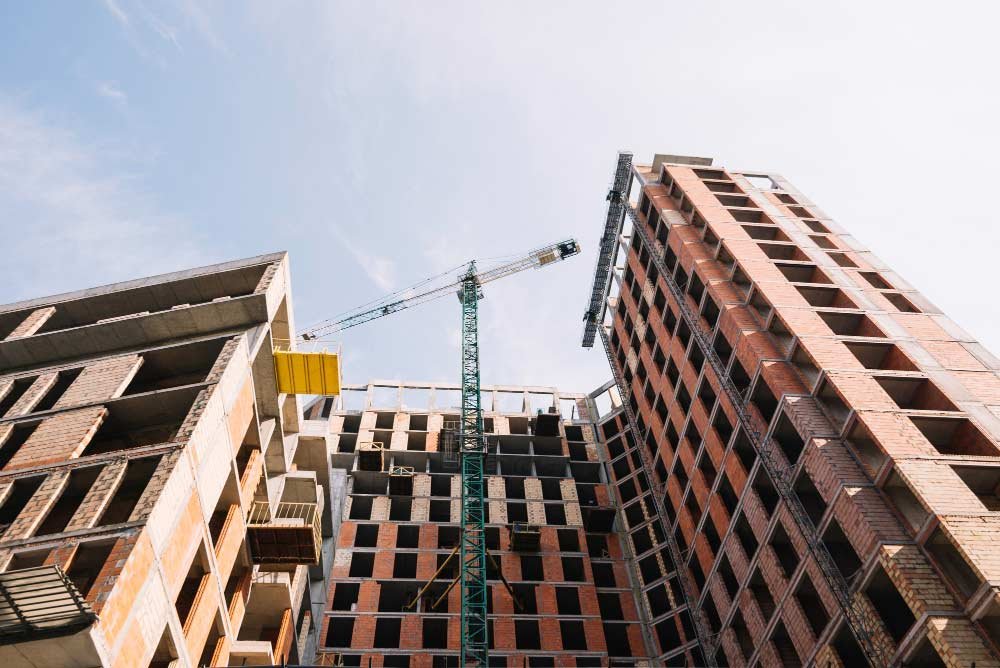
A commercial construction project is a major investment. Whether you are developing a new property, renovating an existing building, or upgrading a commercial space, the process involves much more than simply completing the physical work.
Successful commercial construction requires careful planning, budgeting, coordination, communication, and project management. Property owners and managers also need to consider schedules, materials, contractors, safety requirements, and how the work may affect employees, tenants, customers, or daily business operations.
Understanding what to expect can make the process easier and help you prepare for the different stages of a commercial construction project.
What Is a Commercial Construction Project?
Commercial construction refers to construction, renovation, remodeling, or improvement work performed on properties used for business or commercial purposes.
Projects can include:
- Office buildings
- Retail properties
- Apartment and multi-unit properties
- Commercial facilities
- Restaurants and hospitality spaces
- Property renovations
- Exterior improvements
- Roofing projects
- Building upgrades
- Tenant improvements
Every project is different, but most follow a series of stages from initial planning through final completion.
1. Initial Planning and Project Assessment
The first stage is understanding what needs to be accomplished.
Before construction begins, the property owner, manager, or development team typically needs to define the project’s goals, priorities, and expected results.
This may include determining:
- What areas need to be renovated or constructed
- The purpose of the project
- Required improvements
- Desired materials and finishes
- Estimated budget
- Target completion date
- Potential challenges
- How the project may affect occupants
A detailed assessment at the beginning can help identify potential issues before they become expensive problems during construction.
2. Developing the Project Scope
Once the project’s goals are clear, the next step is developing a detailed scope of work.
The scope explains what work will actually be performed. Depending on the project, it may include demolition, structural work, roofing, remodeling, exterior improvements, installation, finishing, and cleanup.
A clear scope is important because it gives the owner, contractor, and other stakeholders a common understanding of the project.
It can also help reduce confusion about what is included and what may require additional work.
3. Budgeting and Cost Planning
Budgeting is one of the most important parts of commercial construction.
Construction costs can depend on the size of the property, materials, labor, project complexity, site conditions, and the type of improvements required.
A commercial project budget may include:
- Labor
- Materials
- Equipment
- Site preparation
- Demolition
- Permits and professional services
- Waste removal
- Project management
- Finishing work
- Contingency funds
It is important to establish realistic expectations early rather than making decisions based only on the lowest initial estimate.
4. Choosing the Right Contractor
Selecting a contractor is another major decision.
A commercial contractor should be able to understand the project’s requirements and coordinate the different parts of the work effectively.
When evaluating a contractor, property owners and managers may consider:
- Relevant project experience
- Communication
- Quality of previous work
- Project management capabilities
- Scheduling approach
- Materials and construction methods
- Safety practices
- References and documentation
- Ability to coordinate subcontractors
The goal is to find a contractor who understands both the construction requirements and the operational needs of the property.
5. Scheduling and Project Coordination
Commercial construction often involves multiple teams working at different stages.
For example, a project may require coordination between contractors, subcontractors, suppliers, property managers, inspectors, and other professionals.
A project schedule helps organize these activities.
The schedule may include:
- Preparation
- Demolition or site work
- Structural or construction work
- Installation
- Interior or exterior improvements
- Finishing
- Inspection
- Cleanup
- Final walkthrough
Unexpected conditions can sometimes affect the schedule, so regular communication is important throughout the project.
6. Construction Begins
Once planning, approvals, scheduling, and preparation are complete, physical construction can begin.
Depending on the project, this may involve demolition, structural work, roofing, remodeling, installation, exterior improvements, or other construction activities.
During this stage, project management becomes p